
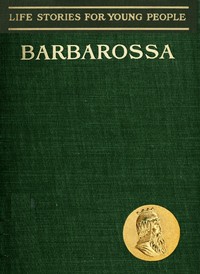
Barbarossa by Franz Kühn
Franz Kühn's Barbarossa tackles the Eastern Front of World War II, not from a distant, strategic height, but from the ground up. It begins in the tense summer of 1941, with Nazi Germany launching a surprise attack that shattered its non-aggression pact with the Soviet Union. Kühn follows the colossal invasion force as it initially tears deep into Soviet territory, fueled by arrogance and early success.
The Story
The narrative tracks the campaign's brutal trajectory. We see the German war machine advance, encountering fierce but disorganized resistance. Kühn doesn't shy away from the harsh realities: the bewildering vastness of the Russian landscape, the punishing logistics, and the escalating brutality inflicted on soldiers and civilians alike. The story's pivot point is the approach of winter. The book vividly portrays how the early confidence of the German forces curdles into desperation as the weather turns, Soviet resistance stiffens, and the goal of taking Moscow slips away. It becomes a story of survival against cold, hunger, and a relentless enemy.
Why You Should Read It
What makes this book stand out is its focus on the human experience within the historical cataclysm. Kühn uses personal accounts, letters, and diaries to give voice to the individuals caught in the gears of the campaign. You don't just learn about the Battle of Moscow; you feel the frostbite and the fear. It removes the abstract notion of 'three million men' and shows you the soldiers, the commanders making flawed calls, and the civilians whose world was destroyed. It’s a powerful reminder that history is lived by people, not just plotted on maps.
Final Verdict
Barbarossa is perfect for anyone who wants to move beyond the well-trodden stories of D-Day or the Western Front. It's for readers who appreciate history that feels immediate and personal, not just political. If you're interested in military strategy but crave the human stories behind it, this book is a fantastic, immersive choice. Be prepared—it's not a light read, but it’s a profoundly impactful one that sticks with you long after the last page.
This book is widely considered to be in the public domain. You can copy, modify, and distribute it freely.
Mary Lee
7 months agoExceptional clarity on a very complex subject.
Susan Davis
6 months agoInitially, I was looking for a specific answer, but the evidence-based approach makes it a very credible source of information. Truly a masterpiece of digital educational material.
Andrew Brown
1 year agoI had low expectations initially, however the arguments are well-supported by credible references. Worth every second.
William Thompson
1 year agoGood quality content.
Linda Wilson
5 months agoThe layout of the digital version made it easy to start immediately, the critical analysis of current industry standards is very timely. An excellent example of how quality digital books should be formatted.