
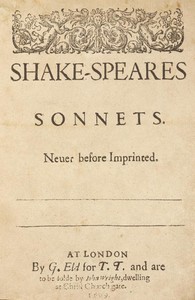
Shakespeare's Sonnets by William Shakespeare
Let's be honest: 'plot' isn't the first word you think of with poetry. But with the Sonnets, there's a story hiding in plain sight. It's not a neat narrative, but a series of emotional snapshots that, when you read them in order, create a compelling drama.
The Story
The first 126 sonnets are mostly addressed to a gorgeous, privileged young man. The poet is basically his biggest fan, urging him to have kids to preserve his beauty, then later wrestling with jealousy when the young man seems to prefer other poets. Then, around Sonnet 127, everything shifts. Enter the 'Dark Lady'—a woman with black hair and eyes, who is neither idealized nor pure. The poet is completely, messily obsessed with her, even as he knows the relationship is toxic. The final poems deal with the fallout of this love triangle. It's a story of devotion, betrayal, self-loathing, and the desperate fight against time itself.
Why You Should Read It
I was prepared to be impressed, but I wasn't prepared to be seen. The genius here isn't just the famous lines ('Shall I compare thee to a summer's day?'). It's in the ugly, honest moments. The poet calls his own love 'sick,' admits his desire is a form of madness, and stares down his own aging in the mirror. This isn't a statue on a pedestal; it's a real person screaming into the void about jealousy, writing poems for someone who doesn't appreciate them, and getting tangled in a bad relationship. That's what makes it timeless. You're not reading about characters; you're reading a mind at war with its own heart.
Final Verdict
This is for anyone who thinks classic literature has to be stiff or distant. It's perfect for readers who love character-driven stories, even if it's in poetic form. If you've ever had a crush that felt like a sickness, been jealous of a friend, or worried about getting older, Shakespeare is right there with you. Grab a modern edition with good footnotes to help with the tricky words, and just dive in. Don't try to 'solve' it. Just let the voice—angry, tender, desperate, brilliant—wash over you. You'll be shocked by how much this 16th-century poet gets you.
The copyright for this book has expired, making it public property. It is now common property for all to enjoy.
Ashley Lopez
1 year agoThis is an essential addition to any academic digital library.
Donald Harris
1 year agoFive stars!
Ethan Walker
1 year agoSimply put, it manages to explain difficult concepts in plain English. This story will stay with me.
Susan Gonzalez
6 months agoVery interesting perspective.





Paul Martinez
4 months agoThe digital index is well-organized, making research much faster.