
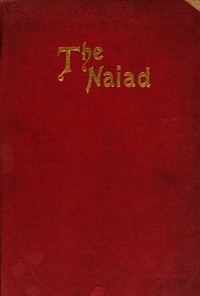
The Naiad: A ghost story by George Sand
Most of us know George Sand as the pen name of Amantine Lucile Aurore Dupin, a towering figure of 19th-century literature who wrote massive novels exploring social issues and passion. 'The Naiad: A Ghost Story' is a fascinating departure—a compact, focused tale that proves she could master atmosphere and suspense as deftly as she handled romance and politics.
The Story
The plot is elegantly simple. Horace, a sensible and educated man, inherits the lovely Château de Pictordu. He’s thrilled with his new life, until he learns the estate’s peculiar condition: it is watched over by a naiad, a spirit of the local spring. She appears as a stunning, silent woman who glides through the gardens and hallways. Horace, a rationalist, laughs off the old legend. But the naiad is very real, and her presence becomes impossible to ignore. She isn't malevolent in a typical sense, but she is absolute. She represents a primal, natural claim on the land that Horace's modern deeds of ownership cannot override. The heart of the story is Horace's struggle. Will he acknowledge this ancient, mystical part of his new home, or will his insistence on logic blind him to a truth that could cost him everything?
Why You Should Read It
What I love about this story is its quiet power. Sand builds tension not with thunderclaps and shrieks, but with stillness and repetition. The naiad’s appearances are predictable, yet each one feels more unsettling than the last. The real horror is psychological—watching a confident man grapple with something that dismantles his entire worldview. It’s also a brilliant subversion of the haunted house trope. The haunting is beautiful, linked to clear water and sunlight, which makes its underlying menace so effective. You start to feel the weight of history and myth pressing on the present.
Final Verdict
This book is a perfect pick for a rainy afternoon or a slow evening. It’s ideal for readers who love classic Gothic atmosphere but want something shorter than a full novel. Fans of M.R. James or Sheridan Le Fanu will appreciate its creeping dread. It’s also a must for anyone interested in George Sand, as it shows a completely different side of her talent. Ultimately, 'The Naiad' is for anyone who enjoys a smart, atmospheric ghost story where the scariest thing isn’t a monster, but an idea that won’t let go.
This book is widely considered to be in the public domain. It serves as a testament to our shared literary heritage.
Margaret Lee
2 years agoHaving followed this topic for years, I can say that the attention to detail regarding the core terminology is flawless. If you want to master this topic, start right here.
Michael Garcia
3 months agoAfter spending a few days with this digital edition, the nuanced approach to the central theme was better than I expected. I am looking forward to the author's next publication.
Sarah White
1 month agoInitially, I was looking for a specific answer, but the structural organization allows for quick referencing of key points. It’s a comprehensive resource that doesn't feel bloated.
Michael Harris
4 months agoI was particularly interested in the case studies mentioned here, the footnotes provide extra depth for those who want to dig deeper. Truly a masterpiece of digital educational material.








Emily Jones
3 months agoWhile browsing through various academic sources, the level of detail in the second half of the book is truly impressive. The insights gained here are worth every minute of reading.